
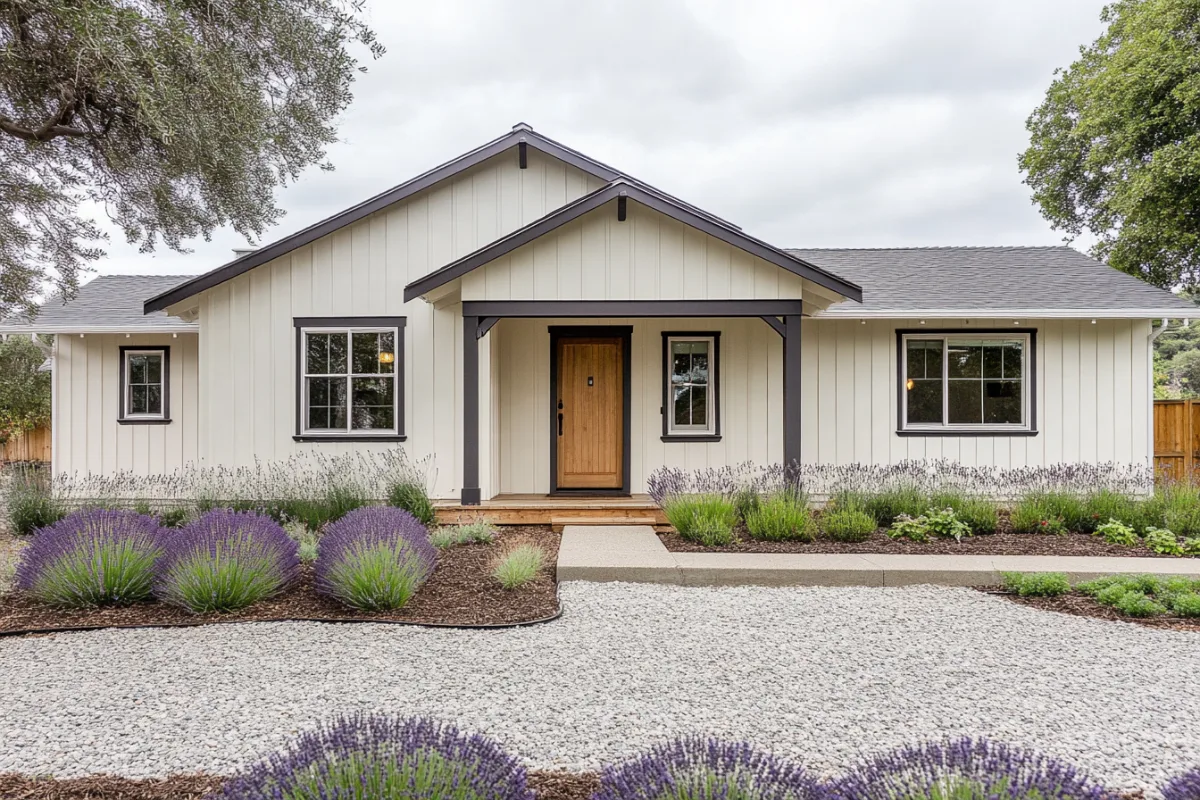
Most homeowners notice the trim first. The window sills go gray, a corner of the fascia starts to flake, and the paint on the garage door looks a few shades lighter than it used to. Walk around to the west side of the house and it's usually worse. In St. Helena and Calistoga, where the afternoon sun hits hard from June through September, that wall can be ready for paint years before the shady side is. Closer to the bay, the problem is more often damp: mildew on the north wall and swollen boards at the bottom of the siding, where sprinklers and morning dew keep them wet.
Free Estimate
Rather talk? Call (707) 520-6736
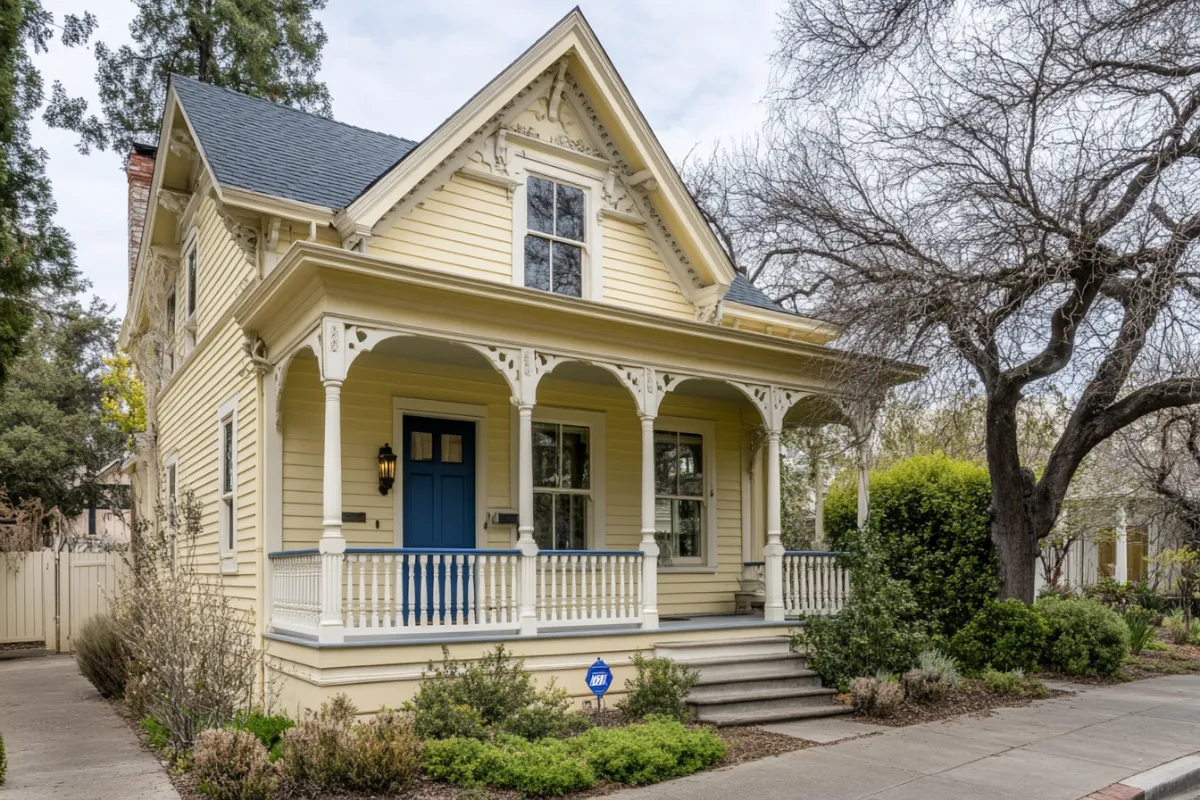
Below, we cover the signs that your exterior is due, which coatings we use on which surfaces, how the work unfolds from washing to final coat, and how to make the new paint last as long as it can. Prep takes up most of the hours on any outside job, and it's also what decides whether the paint holds. If the rooms inside could use a refresh as well, we can roll straight into interior painting once the outside is done.
What to Look For Outside
Start with the sunniest walls. Run your hand over the siding, and if it leaves chalky powder on your palm, the binder in the paint is gone and it isn't shedding water well anymore. Look for cracks along the lower edge of each board and gaps where the trim meets the siding. Check the paint on fences or railings that touch the house too, since they often show the same wear a year or two earlier and give you an early warning. Peeling usually begins at the window sills and the bottom of door casings, since water sits there longest. Press a screwdriver gently into any trim that looks dark or swollen. If it sinks in, that's rot, and it needs repair before anything else. On stucco, watch for spidery hairline cracks and paint that has faded unevenly. None of these mean the house needs work tomorrow. But each one gets more expensive to fix with every winter that passes, because once water is behind the paint, the damage spreads under a surface that still looks fine.
Choosing the Right Coating for Each Surface
The paint on the can matters less than matching it to the surface. On wood siding and trim, we use a 100 percent acrylic exterior paint, because it stays flexible as the boards expand in the heat and shrink at night. Redwood and cedar get a tannin-blocking primer wherever bare wood shows, or their natural oils bleed through as brown streaks. Chalky old paint gets a bonding primer so the new coat has something to grip. Stucco takes a masonry primer, and where the walls have a lot of fine cracks, an elastomeric coating can bridge them. We keep elastomeric off wood siding, though, because it's thick enough to trap moisture in the boards. For sheen, the body of the house usually gets flat or low-sheen, which hides small flaws. Trim and doors get satin or semi-gloss, which wipes clean and handles more wear.
What Happens on Each Day of the Job
Day one is usually washing. We clean off dirt, chalk and mildew and let the house dry fully, which often takes until the next day. Then comes scraping and sanding every loose edge, setting popped nails, and filling or replacing soft wood we found during the estimate. Open seams around windows, doors and corner boards get caulked. Bare wood and patched spots get primed. Before any color goes on, we cover windows, light fixtures, walkways and plants. The body coats come next, then the trim, then doors and anything with a different color. On a typical one-story home, prep takes about as long as painting. Once the last coat is dry, the masking comes down, the paint chips around the foundation get swept up, and we walk each side of the house with you to catch anything that needs another pass.
Making New Paint Last
A good paint job can be stretched out a lot with a few simple habits. Point sprinklers away from the walls, since a daily soaking along the lowest boards is one of the most common reasons paint fails early. Trim back shrubs and vines so air can move between the plants and the house. Rinse the exterior gently once a year, especially on the north side where mildew starts. Keep gutters clear so water doesn't overflow onto the fascia and trim. Every couple of years, walk the house and look at the caulk around the windows and doors, because that's where water finds its way in first. Old caulk turns hard and pulls away from the wood, leaving a thin dark line you can spot from a few feet back. Fix small cracks while they're small. And if you see paint lifting on one sill, deal with that one sill before it turns into a whole wall.
If you own a tasting room, office or shop building in the valley, see how we plan commercial painting around your hours.
Common Questions
You can do just the worst sides, and sometimes it makes sense. The west and south walls often wear out years ahead of the rest. The catch is color: even the same paint looks different next to a wall that has faded for years. If you're keeping the same color, a sides-only job can blend well enough. If the color is changing, or the shaded walls are close behind, painting the whole house usually costs less in the long run than doing it in two rounds.
We stop. Wet siding won't hold paint well, and rain on a fresh coat can wash it off or leave it spotty. We watch the forecast each day and plan the work so the walls we paint have time to cure before any rain is due. If weather moves in unexpectedly, we cover what we can, wait for the walls to dry out completely, check for damage and touch it up before going on. Most of our outside work happens between spring and fall for this reason.
Yes, as long as they're in good shape. Aluminum and galvanized gutters need a cleaning and the right primer before paint will stick to them, otherwise it flakes off within a season. We match them to the trim or the body color, whichever you prefer. If a gutter is pulling away from the fascia or leaking at the seams, it's worth getting that fixed first, since leaking gutters are a common cause of rotted trim and peeling paint underneath.