
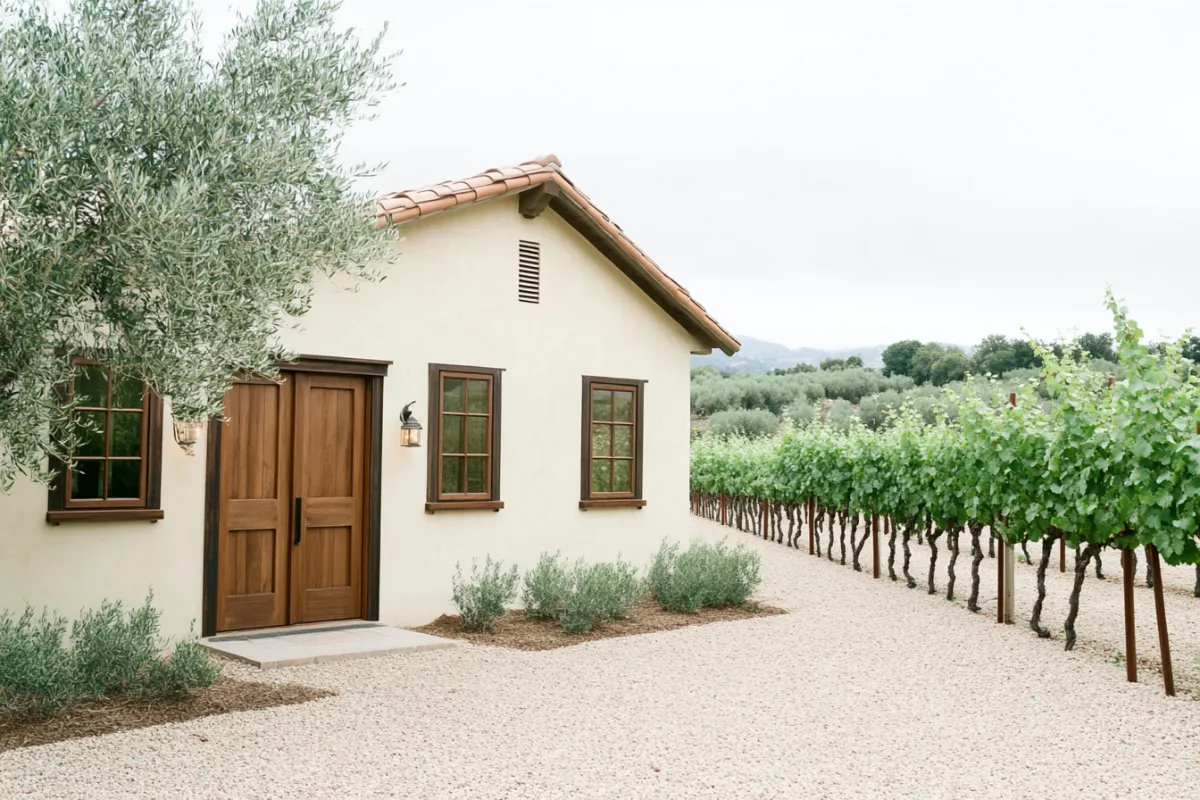
Business owners in the valley work under a lot of eyes. Visitors come from all over to see tasting rooms and storefronts, and faded siding or a scuffed entry says something about a place before anyone walks in. On Main Street in St. Helena and along Washington Street in Yountville, the buildings sit close to the sidewalk, and every sun-bleached door and peeling window frame shows. Inside, hallways and service areas take a beating from carts, cases and foot traffic, and it adds up faster than it does in a house.
Free Estimate
Rather talk? Call (707) 520-6736
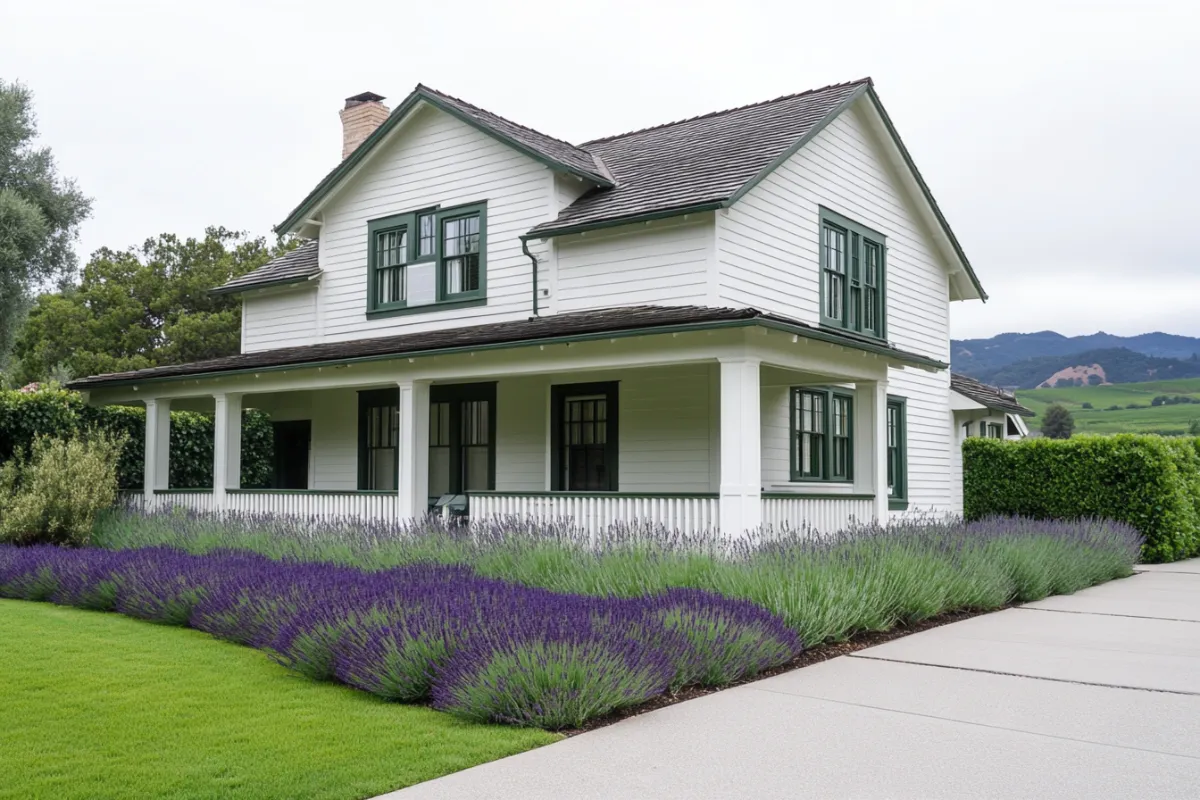
This page covers the work we do on winery buildings, how we handle the outside walls customers see first, how we schedule around guests, staff and events, and what's different about inns and rental properties. We begin every commercial job by walking the property and putting the plan in writing, so you know which areas are closed and when. If your building includes living space, or you own a home in the valley too, our exterior house painting page covers how we prep siding, stucco and trim.
Winery Buildings, Inside and Out
Winery jobs come in more shapes than most commercial work. Tasting rooms need a finish that looks good under display lighting and stands up to guests leaning on walls and bars. Offices and back hallways need durable, scrubbable paint. Barrel rooms and caves are a special case. They're kept cool and humid on purpose, which is good for wine and hard on paint, since mildew grows easily and walls rarely dry out fully. Caves dug into the hillside often have rough sprayed concrete walls, which soak up primer and take longer to coat evenly. Those spaces call for coatings made to resist mildew, and surfaces that are cleaned and fully dry before anything goes on. The outside of a winery building often mixes stucco, wood, stone and metal, and each takes its own primer. In and around production areas, we review every product with your team before we bring it on site, and we plan the work so it never touches anything tied to the wine itself.
The Walls Your Customers See First
The front of the building is your sign. That's where we usually suggest starting, especially if the budget doesn't cover the whole place at once. Doors, window frames, trim and the street-facing walls make the biggest difference for the least money. Metal doors and railings get cleaned, sanded, and coated with a rust-inhibiting primer before the finish, or rust bleeds through within a season. Stucco storefronts get crack repairs and a masonry primer. If your business has brand colors, we have them matched and check the sample on your actual wall, since colors shift outdoors. For buildings in a historic district, we check what the local design rules allow before you pick colors, so nothing has to be redone. Signs, awnings and light fixtures get masked or taken down and rehung, and window glass is protected so it doesn't need scraping afterward. Planters and outdoor seating get moved and put back before we leave each afternoon, so the sidewalk looks normal for your customers.
Working Around Guests, Staff and Events
Valley businesses run on calendars: weekend crowds, private events, weddings and harvest. We plan the schedule around them. Before work begins, we tour the property with a single contact from your team, settle which areas can close and when, and write it into the plan. Inside work can happen early in the morning, after hours or on your closed days. Outside work gets split into sections, so the entrance stays open and clean while we paint the far side. Anywhere we're working is roped off and marked, and our gear is kept clear of paths and exits. Paint with low odor goes in any space where guests or staff will be soon after. And if an event lands mid-job, we pack up the area the day before and leave it clean.
Inns, Vacation Rentals and Multi-Unit Properties
The valley has a lot of small inns, bed and breakfasts, vacation rentals and apartment buildings, and each runs on bookings and move-outs. For inns, we paint room by room so most of the property stays rentable, starting with the rooms that are hardest to book. For vacation rentals, we fit the work between guests and leave the unit clean and aired out for the next arrival. Apartment and condo turnovers get a fast, consistent repaint using one house color and sheen across every unit, which makes later patching quick. Owners who live out of the area can get progress photos as the work moves along, so nobody has to drive up to check on the job. For hallways and shared stairwells, we work in short sections and keep one route open at all times, so residents and guests can always get in and out. Where units share walls, we keep noisy prep like sanding to daytime hours.
If you also need rooms refreshed in your own home, see how our interior painting works.
Common Questions
Yes. Metal needs different prep than wood or stucco. Loose paint and rust get sanded or wire-brushed off, the surface gets cleaned of oil and dirt, and bare spots get a rust-inhibiting primer. Then we apply a finish made for metal, usually a direct-to-metal acrylic or an industrial enamel, depending on how much wear the surface sees. Railings and gates near the street get handled a lot, so we pick a sheen that's easy to wipe clean.
The sooner the better if you want outside work in spring or early summer, since that's when most businesses want their buildings looking fresh. Interior commercial work is easier to schedule in winter, which is also when many tasting rooms and inns are quieter. If you have a deadline, like a reopening or a big event, tell us when you call, and we'll plan the estimate and schedule backward from that date.
Often. Plenty of valley properties belong to owners who live in the Bay Area or out of state. We do the walkthrough with whoever is on site, like a manager or caretaker, send the written estimate by email, and send photos as each stage wraps up. Questions get answered by phone or text, and the final walkthrough can happen with your local contact or on a video call.